
How Direct Mortgage Loan Company’s Draw Process Keeps Construction Projects Moving
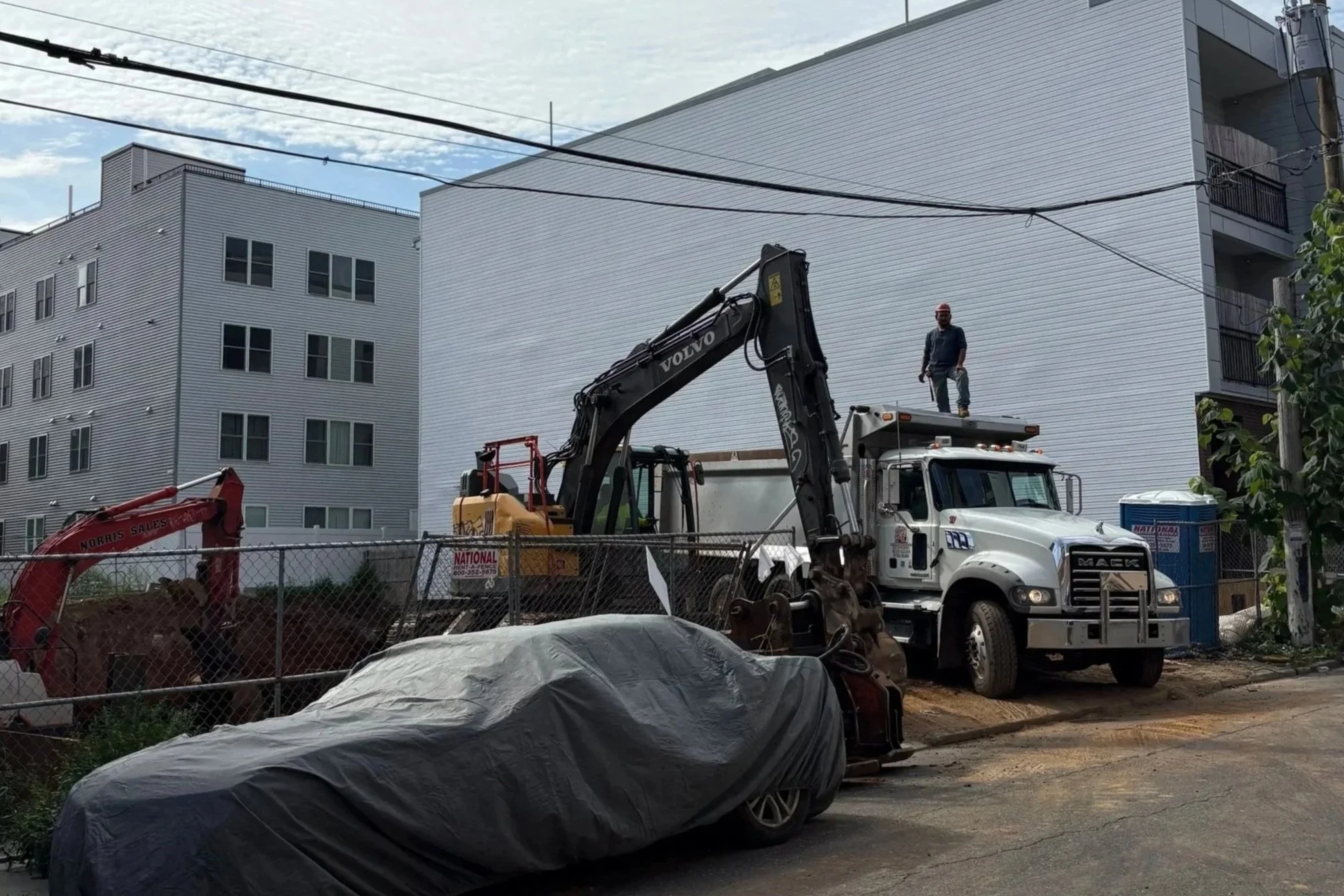
Whether you're starting with vacant land, an outdated property, or a dilapidated shell, construction loans bridge the gap to a finished, income-producing property. Unlike a standard mortgage where you receive all the money upfront, construction loans use what are called “draws” to release funds in stages as specific milestones are met. Mortgages are based on property value, so in order to advance construction dollars, the value of the property must increase. That is why draws are funded in arrears after work is completed.
The draw process is what separates a project that finishes on time from one that stalls, and it is the single biggest reason developers choose Direct Mortgage Loan Company over the competition, be it traditional banks or other hard money lenders. Draw funding requires inspections, and disbursements throughout the duration of the build creating opportunities for multiple small delays. Across a twelve-month project, the difference between a fast lender and a slow one can be the difference between profit and loss. That is why choosing a lender who understands your local construction landscape, and who actually moves quickly, is critical to your success.
The Construction Draw Process: How Money Moves
A construction draw is how money is released from your loan to reimburse the Borrower for completed work and replenish liquidity.
Steps in a standard draw cycle:
Draw Request Submission: The borrower submits a formal request detailing the specific “hard costs” (labor and materials) and “soft costs” (permits, architectural fees) to be covered.
The Site Inspection: An inspector visits the site to verify that the work claimed in the request has actually been performed, foundation poured, framing up, roof dried-in, and that the funding amounts match the approved budget.
Fund Release: Once the inspection report is approved, the lender releases the funds to the borrower. Most banks and institutional lenders also require a title bringdown (or title continuation/endorsement) before releasing funds for a construction or renovation draw. Direct Mortgage Loan Company does not require title bringdowns!
Every lender follows roughly these steps. The real difference is how long each one takes, and that is where Direct Mortgage Loan Company is built very differently from a bank as well as many other hard money lenders.
The Direct Mortgage Loan Company Draw Process: Same-Day Funding
At Direct Mortgage Loan Company, our entire draw process is engineered around one principle: get the money to the job site fast. We fund draws the same day as the inspection, and we accomplish that by removing the bottlenecks built into most financing.
The biggest difference is our inspectors. We use in-house inspectors, and in most cases the same people who put your deal together in the first place. They already know your project. They know your scope of work, your timeline, and your budget. They are not a stranger showing up with a clipboard. They walk the site, verify the progress, and the funding moves the same day. There is no handoff to a separate disbursement department and no third-party inspection company sitting on the report for a week.
Same-day funding sounds like a small thing until you've lived through a slow draw. Then it's the only thing that matters. With same-day funding subcontractors get paid on time. Material orders go out on time. The whole project stays in motion.
How Other Lenders Handles the Same Draw Request
A bank’s draw process is built around protecting itself with layers of approval, and every layer adds days to your timeline. Here is how the same draw request typically moves through a traditional bank:
Third-Party Inspector: The bank hires an outside inspection firm that has no prior knowledge of your project. They schedule a visit, often a week or more out, and submit a report on their own timeline.
Loan Officer Review: The report routes to your loan officer, who reviews it against the original budget and either approves it or kicks it back for revisions.
Processing: If approved, the request moves to a processing or disbursement department that may sit in another office, sometimes in another state.
Title Bringdown: A title bringdown for draws is an updated title search ordered during a construction loan. It verifies that no new liens (like mechanic's liens) or judgments have been filed against the property since the last draw. This step includes wait times and fees.
Funding: The funds are finally wired, often two to four weeks after the original draw request was submitted.
That gap between “work is done” and “funds released” is where projects wither. Subcontractors leave. Material prices change. Permits expire. The same draw request that funds in one day with us can take three to four weeks at a bank.
Comparing Direct Mortgage Loan Company vs. Traditional Bank Draws
| Feature | Traditional Bank Loan | Direct Mortgage Loan Company |
|---|---|---|
| Inspector | Third-party firm hired by the bank | Majority are in-house, often the same person who structured your deal |
| Inspector’s Knowledge of Your Project | None — first time on site | Already familiar with your scope, budget, and contractor |
| Time to Schedule Inspection | Often 1–2 weeks out | Typically within 1–3 days of the request |
| Time From Inspection to Funding | 1–3 weeks | Same day |
| Approval Layers After Inspection | Loan officer → processing → disbursement office | Direct — no separate department handoffs |
| Total Draw Cycle (Request to Funds) | 3–4 weeks typical | Days |
| Point of Contact During the Draw | Often a different person at each stage | The same deal team from start to finish |
| Handling Scope or Budget Changes | Re-underwrite, restart the process | Worked out directly with your deal team |
| Title Bringdowns | Required | Not needed |
The Benefit of an In-House, Local Team
Construction is local by nature. Zoning and permits, labor availability, and material costs can change drastically from one city to the next, making it difficult for a national bank based in another state to keep up. Because Direct Mortgage Loan Company is deeply rooted in the local market, we can spot red flags in a budget or a pro-forma that a remote lender would completely miss. More importantly, the inspector who walks your site already knows your neighborhood, your contractor, and your deal. That is not something you can outsource.
Speed is the other reason developers prefer us. In a traditional bank, a draw request fights through loan officers, regional managers, and a separate disbursement office before any money moves. Direct Mortgage Loan Company understands that in construction, time is money, so we prioritize fast inspections and same-day transfers to keep your project on schedule. This agility prevents unnecessary delays and keeps your crew motivated and your timeline intact. For developers looking for hard money loans in Philadelphia, the benefits include flexible terms, a common-sense approach to underwriting, and a draw process that funds the same day instead of weeks later, something banks simply cannot match.
Conclusion
A successful real estate project requires a dependable funding partner that knows how to move at the pace of the construction site. Although commercial banks serve their purpose, private lenders like Direct Mortgage Loan Company offer the flexibility, and the same-day draw funding, that ground-up construction and renovation work actually require.
By becoming familiar with the draw process and making use of the expert services provided by Direct Mortgage Loan Company, you can handle construction with confidence. If you are ready to secure funding for your next project, contact us today to speak with one of our specialists.